Filter blockage — symptoms, diagnosis and prevention
Accumulated solids increase pressure drop and restrict flow.
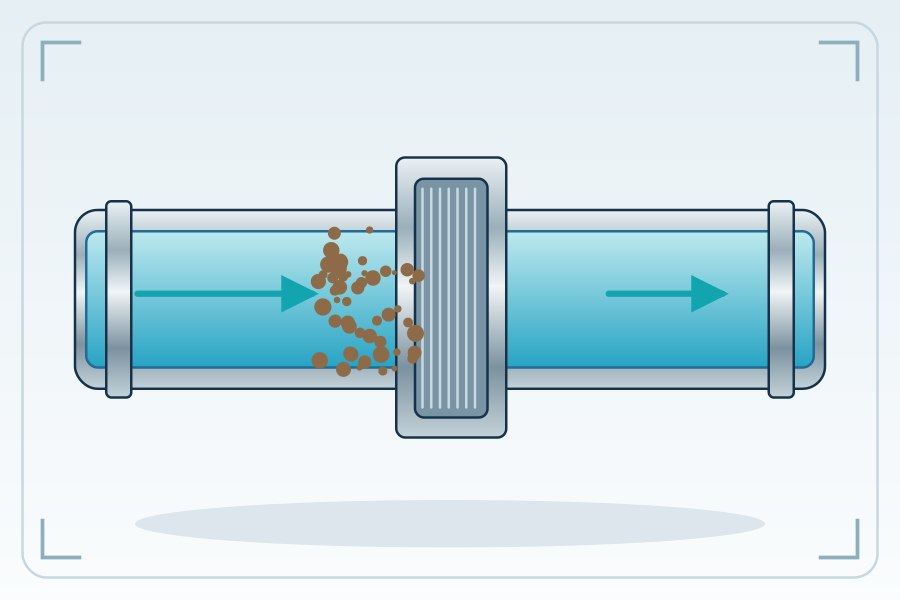
What it is and how it occurs
Accumulated solids increase pressure drop and restrict flow.
Typical symptoms and indications
High differential pressure and reduced flow.
How to investigate and differentiate
Measure differential under specified conditions and examine solids.
Prevention and interventions to assess
Investigate solids source and replacement/filtration strategy.
How to use in an investigation
Record the observed symptom, operating conditions and affected component. Add this record as a hypothesis; document supporting and opposing evidence and a test that distinguishes it from alternatives. Propose definitive actions only after validating the causal link.
Related equipment
Centrifugal pumpImpeller, seal, shaft, bearings, suction→Positive displacement pumpGears, valves, seal, drive→Air compressorCompression element, separator, cooler, filters→Diesel generatorEngine, alternator, fuel, cooling→Hydraulic systemPump, reservoir, filter, valve, actuator→Pneumatic systemAir treatment, valves, cylinders, hoses→
Other mechanisms for comparison
CavitationVapor forms at low local pressure and collapses in higher-pressure regions.→Fluid aerationAir enters or remains dispersed in a liquid, changing compressibility and flow.→External leakageFluid crosses a boundary intended to contain it.→Internal leakageFluid passes between chambers or circuits, reducing performance without necessarily external loss.→
Supporting references
- ISO 17359:2018 — Condition monitoring and diagnostics of machines
Educational support. Actual investigations require evidence, risk assessment, applicable criteria and validation by responsible professionals. References do not imply standards compliance.
Turn knowledge into investigation
Use the methods in the software, organize evidence and export a report. Free, no sign-up.