Failures in Coupling and shaft
Components, related failure modes and investigation paths for Coupling and shaft.
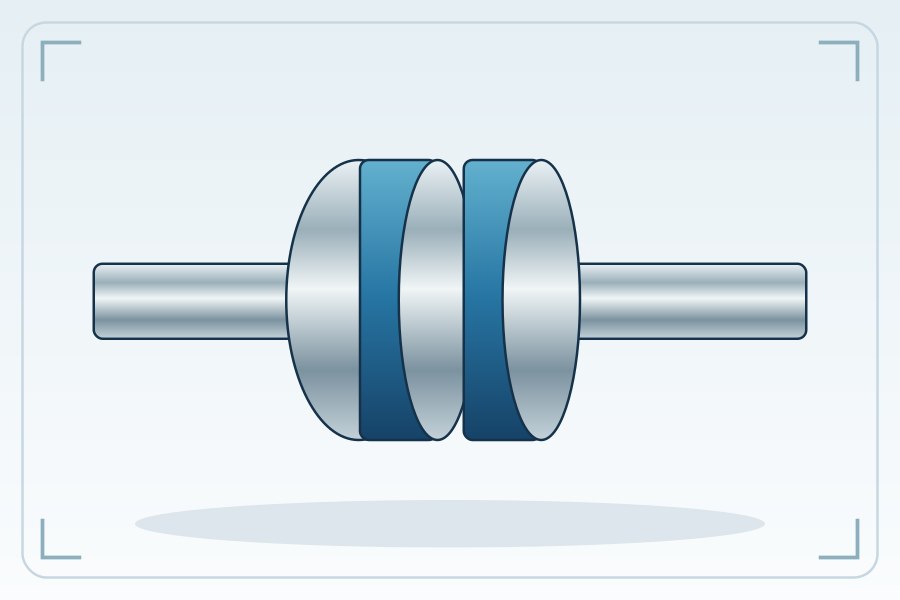
Components and investigation boundary
Hubs, flexible element, key, shaft
How to start the investigation
Define required function, capacity, normal conditions, identification, load and intervention history. Compare observed with expected performance and record each source. The list below helps form hypotheses; it neither limits the investigation nor indicates failure frequency.
Modes, mechanisms and conditions to investigate
MisalignmentAxial/radial vibration, coupling wear, heating.→UnbalanceRadial vibration often dominant at 1× shaft speed.→Mechanical loosenessHarmonics, impacts, relative motion marks.→Fretting wearRed or dark debris, marks at fits and interfaces.→Mechanical fatigueLocalized origin, possible propagation zone and final fracture.→Ductile fractureNecking or deformation; dimples in specialized examination.→Brittle fractureLow deformation, possible cleavage; visual appearance is not conclusive.→
Educational support. Actual investigations require evidence, risk assessment, applicable criteria and validation by responsible professionals. References do not imply standards compliance.
Turn knowledge into investigation
Use the methods in the software, organize evidence and export a report. Free, no sign-up.