Misalignment — symptoms, diagnosis and prevention
Coupled shafts have angular or parallel offsets that increase loads.
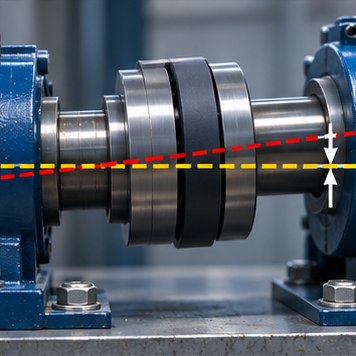
What it is and how it occurs
Coupled shafts have angular or parallel offsets that increase loads.
Typical symptoms and indications
Axial/radial vibration, coupling wear, heating.
How to investigate and differentiate
Laser or dial measurement, thermal condition, soft foot; spectrum alone is not proof.
Prevention and interventions to assess
Align to applicable tolerances and account for thermal growth.
How to use in an investigation
Record the observed symptom, operating conditions and affected component. Add this record as a hypothesis; document supporting and opposing evidence and a test that distinguishes it from alternatives. Propose definitive actions only after validating the causal link.
Related equipment
Centrifugal pumpImpeller, seal, shaft, bearings, suction→Electric motorStator, rotor, bearings, terminals→Belt conveyorBelt, rollers, drive, structure→Coupling and shaftHubs, flexible element, key, shaft→
Other mechanisms for comparison
Abrasive wearHard particles or asperities remove material from a contacting surface.→Adhesive wearLocal junctions between sliding surfaces break and transfer material.→Rolling contact fatigueRepeated contact stresses initiate cracks that may produce spalling.→False brinellingMicromovements at stationary contacts wear surfaces and form depressions.→
Supporting references
- ISO 17359:2018 — Condition monitoring and diagnostics of machines
Educational support. Actual investigations require evidence, risk assessment, applicable criteria and validation by responsible professionals. References do not imply standards compliance.
Turn knowledge into investigation
Use the methods in the software, organize evidence and export a report. Free, no sign-up.