Refrigerant leakage — symptoms, diagnosis and prevention
The circuit loses inventory through a non-tight boundary.
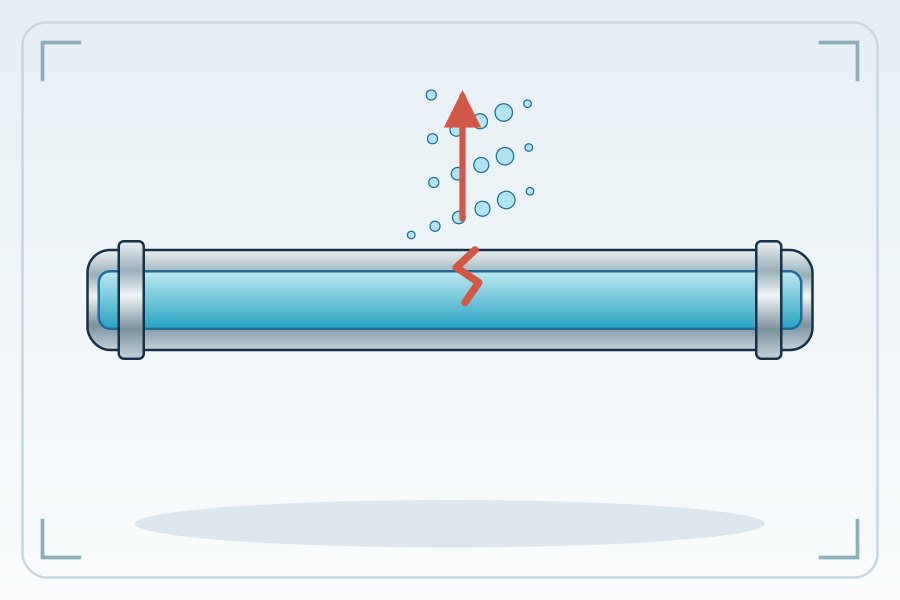
What it is and how it occurs
The circuit loses inventory through a non-tight boundary.
Typical symptoms and indications
Reduced capacity, altered pressure and superheat conditions.
How to investigate and differentiate
Qualified leak detection and operating balance; avoid inferring from pressure alone.
Prevention and interventions to assess
Correct source and review tightness for the refrigerant and requirements.
How to use in an investigation
Record the observed symptom, operating conditions and affected component. Add this record as a hypothesis; document supporting and opposing evidence and a test that distinguishes it from alternatives. Propose definitive actions only after validating the causal link.
Related equipment
Other mechanisms for comparison
Heat exchanger foulingDeposits increase thermal or hydraulic resistance.→Liquid refrigerant floodbackLiquid refrigerant reaches suction under conditions unsuitable for the compressor.→Insufficient airflowDelivered airflow does not meet thermal or ventilation function.→Evaporator icingSurface temperature and moisture allow ice formation.→
Supporting references
- ISO 17359:2018 — Condition monitoring and diagnostics of machines
Educational support. Actual investigations require evidence, risk assessment, applicable criteria and validation by responsible professionals. References do not imply standards compliance.
Turn knowledge into investigation
Use the methods in the software, organize evidence and export a report. Free, no sign-up.