Creep — symptoms, diagnosis and prevention
Time-dependent deformation under significant stress and temperature.
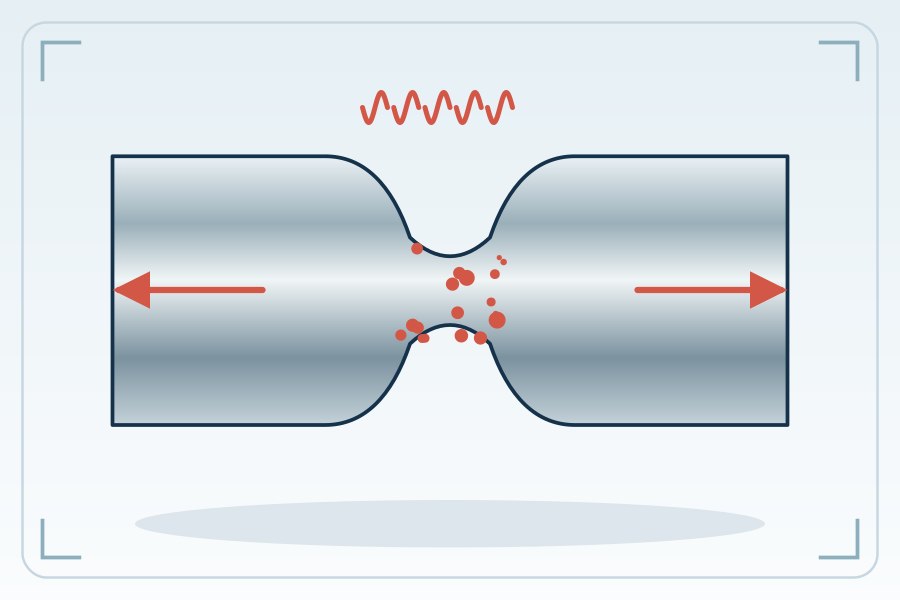
What it is and how it occurs
Time-dependent deformation under significant stress and temperature.
Typical symptoms and indications
Elongation, bulging and cracks after extended service.
How to investigate and differentiate
Time-temperature history, dimensions, metallography and life assessment.
Prevention and interventions to assess
Control temperature and stress; reassess remaining life.
How to use in an investigation
Record the observed symptom, operating conditions and affected component. Add this record as a hypothesis; document supporting and opposing evidence and a test that distinguishes it from alternatives. Propose definitive actions only after validating the causal link.
Other mechanisms for comparison
Mechanical fatigueCyclic stresses initiate and propagate cracks even below static strength.→Ductile fracturePlastic deformation and void coalescence precede fracture.→Brittle fractureA crack propagates rapidly with limited macroscopic plastic deformation.→Uniform corrosionChemical or electrochemical reactions reduce thickness broadly.→
Supporting references
- ISO 17359:2018 — Condition monitoring and diagnostics of machines
Educational support. Actual investigations require evidence, risk assessment, applicable criteria and validation by responsible professionals. References do not imply standards compliance.
Turn knowledge into investigation
Use the methods in the software, organize evidence and export a report. Free, no sign-up.