Battery capacity loss — symptoms, diagnosis and prevention
Electrochemical aging or service conditions reduce usable energy.
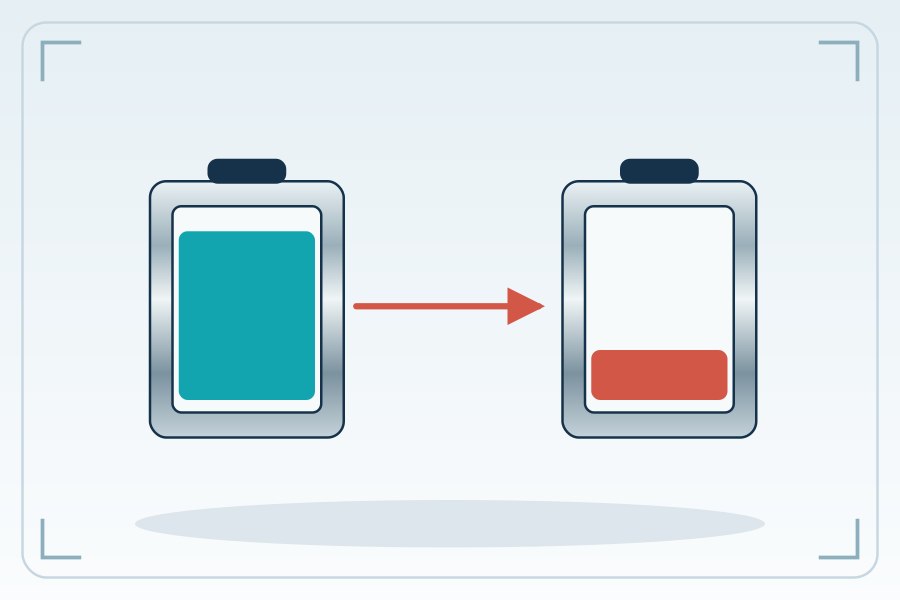
What it is and how it occurs
Electrochemical aging or service conditions reduce usable energy.
Typical symptoms and indications
Reduced runtime, internal resistance or cell imbalance.
How to investigate and differentiate
Authorized capacity test, temperature history and BMS data.
Prevention and interventions to assess
Review charge regime, environment and replacement criteria.
How to use in an investigation
Record the observed symptom, operating conditions and affected component. Add this record as a hypothesis; document supporting and opposing evidence and a test that distinguishes it from alternatives. Propose definitive actions only after validating the causal link.
Related equipment
Diesel generatorEngine, alternator, fuel, cooling→UPS and batteriesBattery, rectifier, inverter, ventilation→
Other mechanisms for comparison
Insulation degradationThermal aging, moisture, contamination or electrical stress reduce dielectric properties.→Open circuitA connection or conductor loses electrical continuity.→Short circuitAn unintended low-impedance path connects different potentials.→High contact resistanceA degraded electrical interface dissipates extra heat under current.→
Supporting references
- ISO 17359:2018 — Condition monitoring and diagnostics of machines
Educational support. Actual investigations require evidence, risk assessment, applicable criteria and validation by responsible professionals. References do not imply standards compliance.
Turn knowledge into investigation
Use the methods in the software, organize evidence and export a report. Free, no sign-up.