Structural cracking — symptoms, diagnosis and prevention
A discontinuity forms or propagates in structural material.
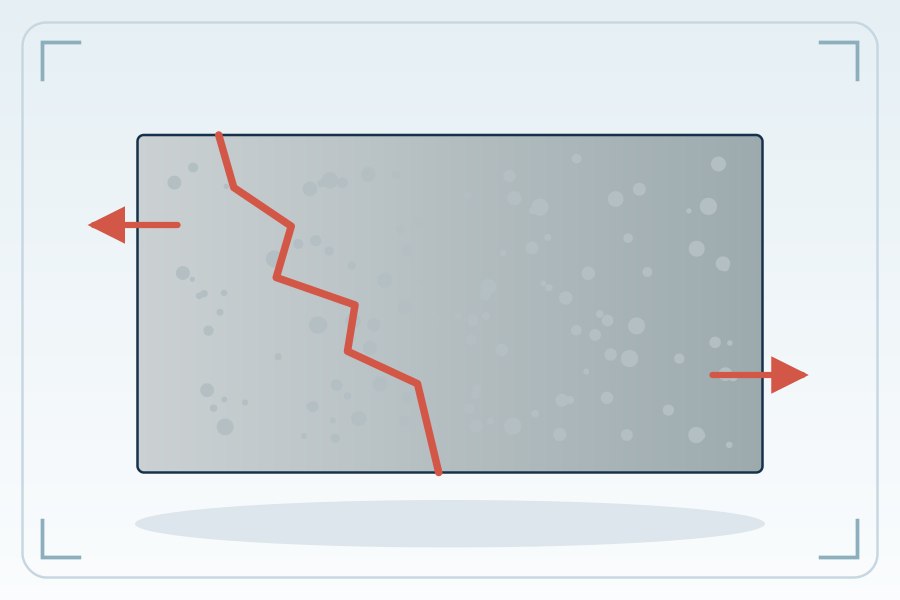
What it is and how it occurs
A discontinuity forms or propagates in structural material.
Typical symptoms and indications
Crack width, orientation, displacement or progression.
How to investigate and differentiate
Map location, width and evolution; qualified structural assessment.
Prevention and interventions to assess
Address confirmed mechanism and control exposure/load through engineering.
How to use in an investigation
Record the observed symptom, operating conditions and affected component. Add this record as a hypothesis; document supporting and opposing evidence and a test that distinguishes it from alternatives. Propose definitive actions only after validating the causal link.
Related equipment
Other mechanisms for comparison
Rebar corrosionLoss of passivity and electrolyte presence promote embedded steel corrosion.→Differential settlementUnequal support displacement creates incompatible deformation.→Water ingressWater crosses envelope, joints or waterproofing interfaces.→Pavement ravelingLoss of particles or surface bonding deteriorates the wearing course.→
Supporting references
- ISO 17359:2018 — Condition monitoring and diagnostics of machines
Educational support. Actual investigations require evidence, risk assessment, applicable criteria and validation by responsible professionals. References do not imply standards compliance.
Turn knowledge into investigation
Use the methods in the software, organize evidence and export a report. Free, no sign-up.