Failures in Piping
Components, related failure modes and investigation paths for Piping.
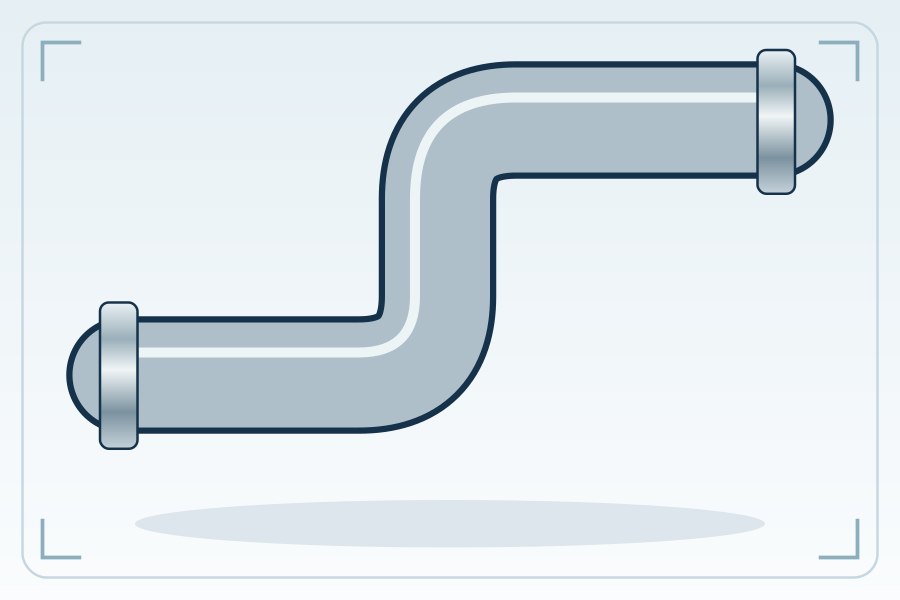
Components and investigation boundary
Pipes, joints, supports, valves
How to start the investigation
Define required function, capacity, normal conditions, identification, load and intervention history. Compare observed with expected performance and record each source. The list below helps form hypotheses; it neither limits the investigation nor indicates failure frequency.
Modes, mechanisms and conditions to investigate
Uniform corrosionDistributed wall loss and corrosion products.→Pitting corrosionIsolated pits, perforations or deposits.→Galvanic corrosionAttack concentrated on one metal near joints.→Stress corrosion crackingBranched or localized cracks; appearance depends on the system.→ErosionLocalized material loss oriented with flow.→External leakageWetness, volume loss, residue or falling level.→Water hammerTransient spikes, noise, pipe movement or damage.→
Educational support. Actual investigations require evidence, risk assessment, applicable criteria and validation by responsible professionals. References do not imply standards compliance.
Turn knowledge into investigation
Use the methods in the software, organize evidence and export a report. Free, no sign-up.